Last reviewed
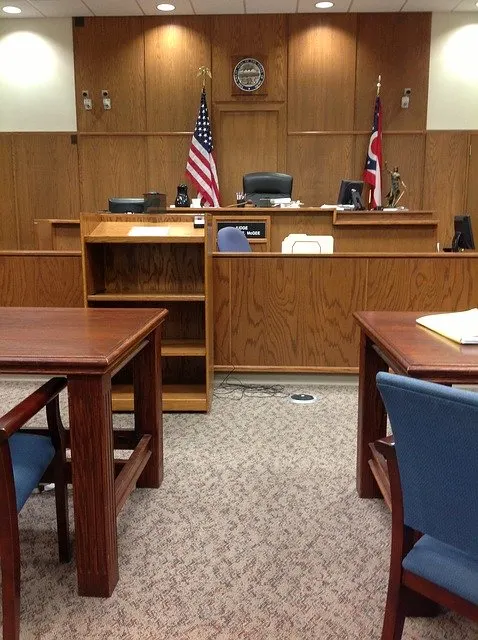
In a contested Minnesota family case, the pretrial conference is usually the last scheduled court appearance before trial. It serves two purposes: to narrow the disputed issues and to give settlement one more serious attempt. This article explains the rules that govern the pretrial and how to prepare for it. It is part of the site’s guide to court and ADR processes.
When the Pretrial Occurs
The date is normally set in the scheduling order issued after the Initial Case Management Conference. By then, the parties have generally completed discovery and at least one ADR process, such as mediation. The interval between the pretrial and trial varies with the court’s calendar.
The Parenting/Financial Disclosure Statement
Under Minn. Gen. R. Prac. 305.01, each party must complete a Parenting/Financial Disclosure statement on the state court form. It must be served on all parties and filed with the court at least seven days before the pretrial conference.
The statement summarizes each party’s current position on custody, parenting time, support, and property. Consequently, it gives the judge a concise picture of what remains in dispute.
Attendance and Settlement Authority
Rule 305.02 requires the parties and the lawyers who will try the case to attend, unless the court excuses them for good cause. They must come prepared to negotiate a final settlement, and the lawyers must have authority to settle.
The rule also carries real consequences. If a party fails to appear, the court may dispose of the case without further notice to that party. Failure to comply with the pretrial rules may also lead to the striking of pleadings, a default hearing, or an award of attorney fees.
What Happens at the Pretrial
Practices vary by judge and county. Most pretrial conferences, however, include three elements:
- Identifying the issues. The parties confirm which issues are settled and which will be tried.
- Trial logistics. The court addresses witness and exhibit lists, the expected length of trial, and the trial date.
- Settlement. Many judges direct the parties to negotiate, sometimes for a set period at the courthouse.
If the parties reach a written agreement before the conference, Rule 305.02 allows the matter to be heard administratively or as a default at the scheduled time.
After the Pretrial
Unresolved issues proceed to trial. Even so, the parties may continue to negotiate up to the trial date, and many cases settle in that window. A trial becomes unnecessary once every issue is resolved.
Minn. Gen. R. Prac. 305
Pretrial conferences in family cases, including disclosure statements, attendance, and sanctions.
Preparing for a hearing, mediation or trial?
Each court event has its own deadlines and expectations. Majeski Law can help you prepare for the next step in your case.
Contact Majeski Law onlineNothing on this site is legal advice. Contacting Majeski Law does not by itself create an attorney-client relationship.